Best Suburbs and Neighborhoods of Madrid to Live In
When I first moved to Madrid, one of the biggest questions I had was “where the heck do I rent an apartment??” Madrid is a large city with very different neighborhoods, and once you start looking just outside the city limits, the options can multiply quickly.
This guide on the best suburbs and neighborhoods of Madrid to live in is based not just on research, but on my own experience living here, renting here, and talking to friends who’ve chosen very different areas.
I personally live in Pinto, which is in the south of Madrid in the greater Madrid area, and I’ve also spent a lot of time visiting friends who live both in central Madrid and in other suburbs around the city. What I’ve learned is that there’s no one-size-fits-all answer. Living in the city center can be exciting and convenient, while living in the suburbs can offer more space, quieter neighborhoods, and often better value for money.
In this article, we’ll walk through some of the most popular neighborhoods within Madrid itself, and then focus more on the surrounding suburbs just outside the city. I’ll share what each area is like in terms of safety, transport, lifestyle, and how foreigner-friendly they are, so if you’re new to Madrid and trying to figure out where you might want to rent or settle, you can make a more informed decision. Let’s dive in!
Section 1: Best Neighborhoods to Live in in Madrid (Inside the City)
Chamberí – My Favorite Neighborhood in Madrid
If there’s one neighborhood in Madrid I could choose to live in forever, it would absolutely be Chamberí. After six months of living in Spain and spending time exploring different parts of the city, Chamberí just feels like home in a way that other areas haven’t yet. It’s one of the barrios of Madrid that somehow manages to be central and connected to everything, yet still calm and relaxed — and I can never get enough of spending time in Chamberí.
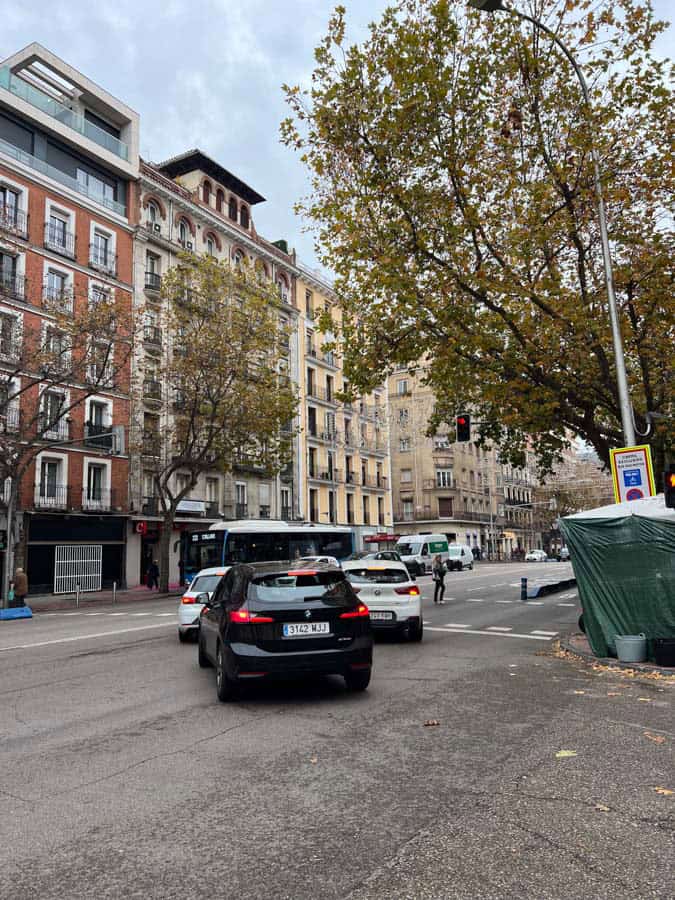
Chamberí is a traditional, residential district just north of the historic city centre, and it has this quiet, everyday charm that you don’t always find in the busier neighborhoods.
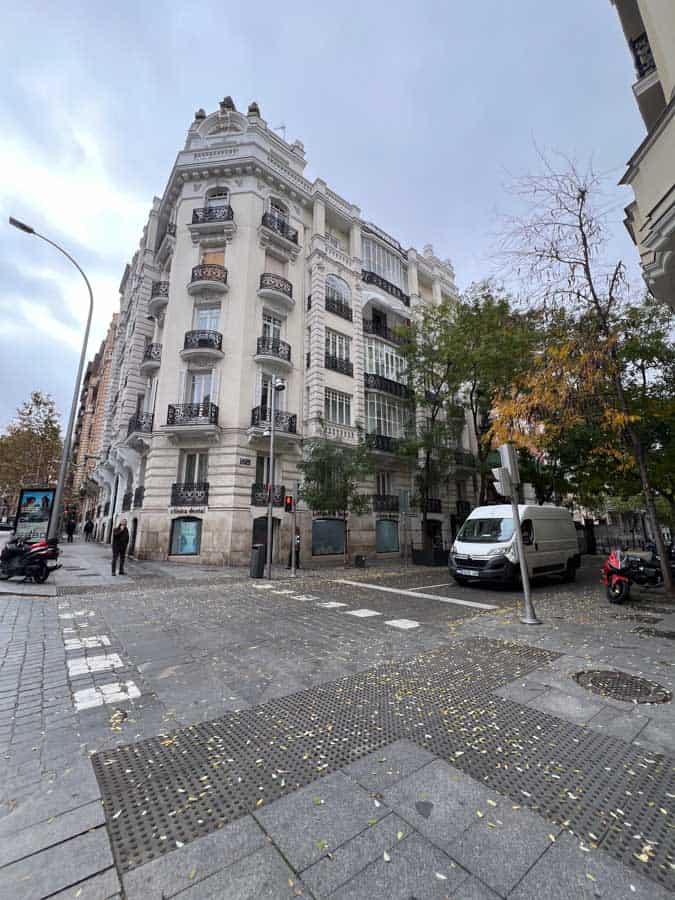
It’s full of tree-lined streets, that classic European architecture, cute cafés, and little streets where you can easily meet friends for a drink or a coffee. It doesn’t feel like a tourist zone at all to me… plus, there a ton of Humana’s (my favourite thrift shop in Madrid), dotted throughout this neighbourhood. If you haven’t been to Humana, I highly recommend checking it out if you pass by one.
What I like the most about Chamberí is that it has this great balance between old-school Madrileño life, but also enough modern amenities to make everyday living comfortable.
There are traditional tapas bars, independent shops, bookstores, and cultural spots scattered alongside more modern restaurants and cafés. It’s quiet enough that you can relax and still feel connected, but lively enough that there’s always something happening, especially around areas like Plaza de Olavide.
And unlike some neighborhoods that feel divided between being either touristy or too sleepy, Chamberí feels like life is happening all around you. Locals walk their dogs in the parks. You’ll see students and young professionals grabbing drinks after work.
Older generations meet up for lunch or to play cards in the plazas. It’s a mixed, genuine community. What’s more, even though Chamberí is more residential, it’s still very well connected… a short metro or bus ride gets you to Sol, Retiro, or Gran Vía in minutes.
In my mind, Chamberí gives you that “Madrid life feeling” without the overwhelming crowds you find closer to the centre. It’s cozy, it’s charming, and it feels like a neighborhood where you can truly live, not only visit.
That’s why, hands down, it’s my favorite place in the city and the first one I recommend when talking about the best suburbs and neighborhoods of Madrid to live in.
Salamanca – Upscale, Polished, and Great for Shopping
Salamanca is probably one of the most well-known and well-loved neighborhoods in Madrid, especially among expats, diplomats, and anyone who enjoys a more polished, upscale lifestyle. If you’ve spent any time researching the best suburbs and neighborhoods of Madrid to live in, Salamanca probably comes up near the top of the list every time, and for good reason.
This area is elegant, clean, and rather refined. It’s home to many embassies and consulates, which gives it a more international feel, but it’s also one of the most expensive parts of the city.
Rent prices here are higher than most other neighborhoods in Madrid, and the overall vibe is noticeably more upscale. You’ll see well-dressed locals, luxury cars, and beautifully maintained buildings everywhere you go in Salamanca.
Shopping is, of course, one of Salamanca’s biggest draws. This is where you’ll find pretty much every store you could want, all within easy walking distance of each other. There are multiple Zaras, Massimo Dutti, Mango, and other popular Spanish brands, but it’s also where Madrid’s luxury shopping lives.
Louis Vuitton, Hermès, Prada, Loewe, they’re all here, especially around streets like Calle Serrano. Even if you’re not planning to buy anything, it’s a fun area to walk around and window shop.
Food-wise, Salamanca also has a lot of solid options. One place that stands out, especially for expats, is Honest Greens, which I always describe as the Sweetgreen of Spain. It’s a popular stop if you want something fresh and healthy while you’re out shopping, and it fits perfectly with the neighborhood’s more modern, international feel.
Personally I enjoy Salamanca a lot, but I wouldn’t live here. It’s a great place to visit, shop, and spend an afternoon walking around, but for day-to-day life, I prefer areas that feel a little more relaxed and less polished.
Still, if budget isn’t a concern and you want a central, beautiful, high-end neighborhood, Salamanca is absolutely one of Madrid’s best options.
Malasaña – Creative, Young, and Lively
Malasaña is one of those neighborhoods in Madrid that everyone knows about, especially if you’re younger, a student, or moving to the city for the first time. It has a very creative, edgy energy, and it’s usually associated with Madrid’s alternative scene, nightlife, and vintage culture. You’ll find street art, independent shops, record stores, thrift stores, and small bars packed into a pretty walkable area.
This neighborhood is especially popular with students and younger expats. There’s always something going on here — late dinners, bars that stay open well into the night, and overall a very social atmosphere.
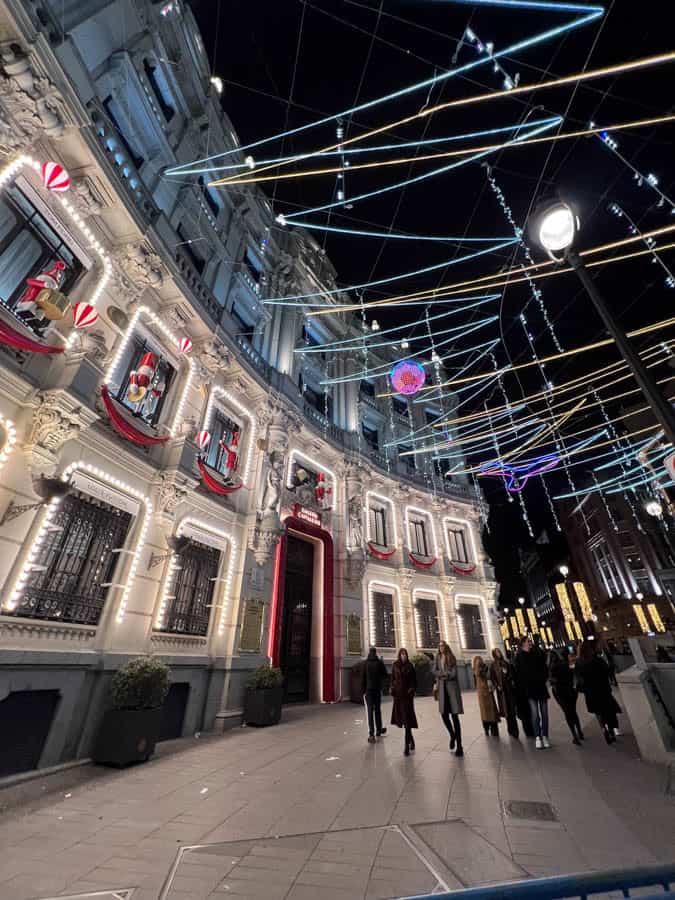
If nightlife and being in the middle of the action are important to you, Malasaña can be a great choice. It’s also centrally located, so you’re close to Gran Vía, Sol, and a lot of major transit connections.
Personally, Malasaña has never been an area I’ve seriously considered living in. At this stage of my life, I prefer something a little calmer and more residential. Malasaña can be noisy, especially at night, and it definitely leans more toward a party vibe. That said, I do love going there to shop, thrift, or meet friends for a drink — just not to come home to every night.
Lavapiés – Central, Creative, but… Not for Everyone
Lavapiés is one of those neighborhoods that comes up a lot when you’re researching places to live in Madrid, especially as a foreigner. It’s pretty central, well connected, and is usually more affordable than areas like Salamanca or Chamberí, which is why it often appears in searches about the best suburbs and neighborhoods of Madrid to live in. That said, it’s definitely not for everyone.
Lavapiés has a strong alternative and creative vibe. You’ll see a lot of street art, graffiti, independent cafés, and newer, hip spots opening all the time. It’s also where El Rastro, Madrid’s famous Sunday flea market, takes place, which gives the area a lot of energy and character, especially on weekends. There’s always something happening, and it does feel very alive.
However, it’s also one of the less safe-feeling neighborhoods in Madrid. There’s a large migrant population, and while diversity itself isn’t a bad thing, the area does have more visible poverty.
You’ll often see people drinking on the streets, some homelessness, and situations that can feel uncomfortable, especially at night. For me personally, this is not an area I would choose to live in, and I wouldn’t recommend it as a first neighborhood if you’re new to Madrid.
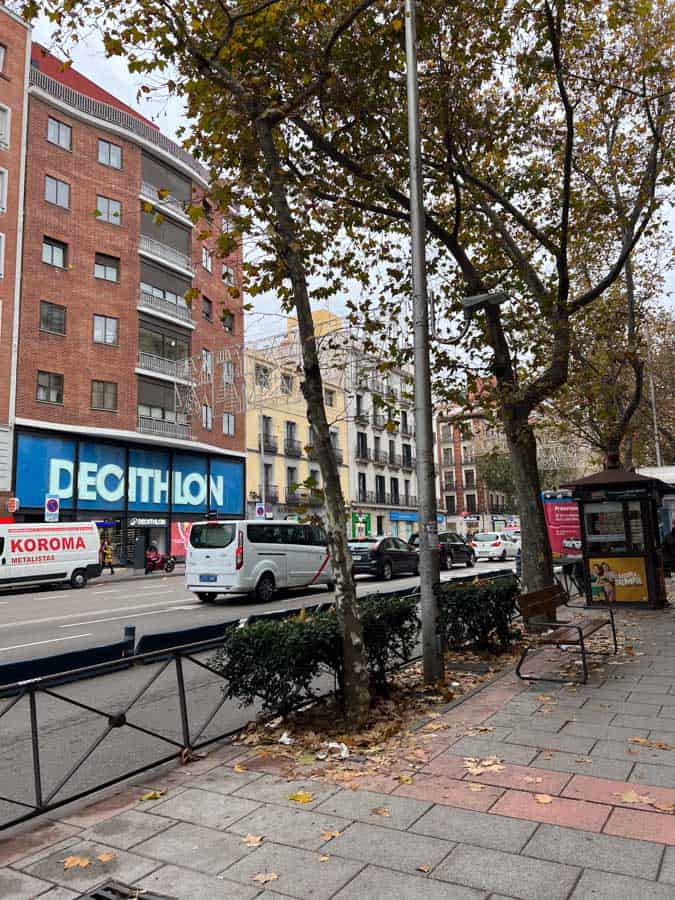
That being said, a lot of expats do live in Lavapiés, mainly because it’s more affordable and central. If you’re considering it, my biggest recommendation is not to rent anything here sight unseen.
You really need to be in Madrid, walk the streets during the day and at night, and see how you personally feel in that exact location. Some streets are better than others, and the experience can change a lot block by block.
La Latina – Historic, Central, and Full of Life
La Latina is a neighborhood that feels like Madrid in its purest form. It’s right in the historic city center, incredibly central, and very much in the heart of… well, everything! From La Latina, you can walk almost everywhere – Sol, Plaza Mayor, and even Gran Vía are all within easy walking distance. If location is your top priority, this area is going to be hard to beat!
What La Latina is really well known for is its food and nightlife. There are endless bars, restaurants, and tapas spots, many of them packed late into the night… yes, even on weeknights, its Spain after all!
It’s an area where dinner starts late, drinks go on for hours, and the streets stay lively well past midnight. On weekends especially, the energy here is very noticeable, and it attracts both locals and foreigners who want to be close to everything.
La Latina is also one of the oldest neighborhoods in Madrid, and you can definitely feel that history when you walk through it. The streets are narrow, the buildings are older, and there’s a lot of character (that classic European charm).
That said, living in La Latina isn’t going to be for everyone. Because it’s so central and lively, it can be noisy, especially at night. Apartments typically tend to be smaller and older, and prices can be relatively high for what you get, just because of the location.
Personally, I love visiting La Latina, going out for dinner, having drinks, wandering around at night, but I’m not sure I’d want to live right in the middle of it all long-term.
Still, for many foreigners moving to Madrid for the first time, La Latina comes up often when searching for housing. It has history, walkability, nightlife, and easy access to the rest of the city, which is why it continues to be one of the most popular central options when talking about the best suburbs and neighborhoods of Madrid to live in.
Section 2: Best Suburbs of Madrid to Live In (Greater Madrid Area)
Not everyone wants to live right in the centre of Madrid, and honestly, I don’t think you have to. One of the things I’ve learned since living here is that the Greater Madrid Area has a lot of good living options, especially if you’re looking for more space, better prices, or a quieter day-to-day lifestyle. Many locals live outside the city and commute in, and plenty of foreigners do the same once they realize how well connected some of these areas are, especially if you have a family or are wanting a quieter, slower pace lifestyle.
Living in the suburbs comes with trade-offs, mainly transport and distance, but depending on your lifestyle, it can actually be a better fit than being right in the centre. Let’s dive into some of the best and most population Greater Madrid neighbourhood options.

Pinto (South of Madrid)
I’ve personally lived in Pinto, which is in the southern part of Madrid, and overall I’ve had a really positive experience living here so far. The south of Madrid doesn’t always have the best reputation when it comes to safety, but Pinto itself is quite safe. I’ve never felt uncomfortable walking alone at night, which is something really important to me anywhere I live longer term.
Pinto is a smaller town, but it has the basics you need for daily life. There are plenty of bars, cafés, restaurants, a few gym, and small shops, even some American chains like Popeyes and Dominos Pizza.
Like most places in Spain, social life revolves around local bars and terraces here, and Pinto is no exception. You won’t find anything major like a huge shopping mall with every brand under the sun (save that for central Madrid!), but there is a basic mall, supermarkets, and enough options that you don’t feel like you’re missing out.
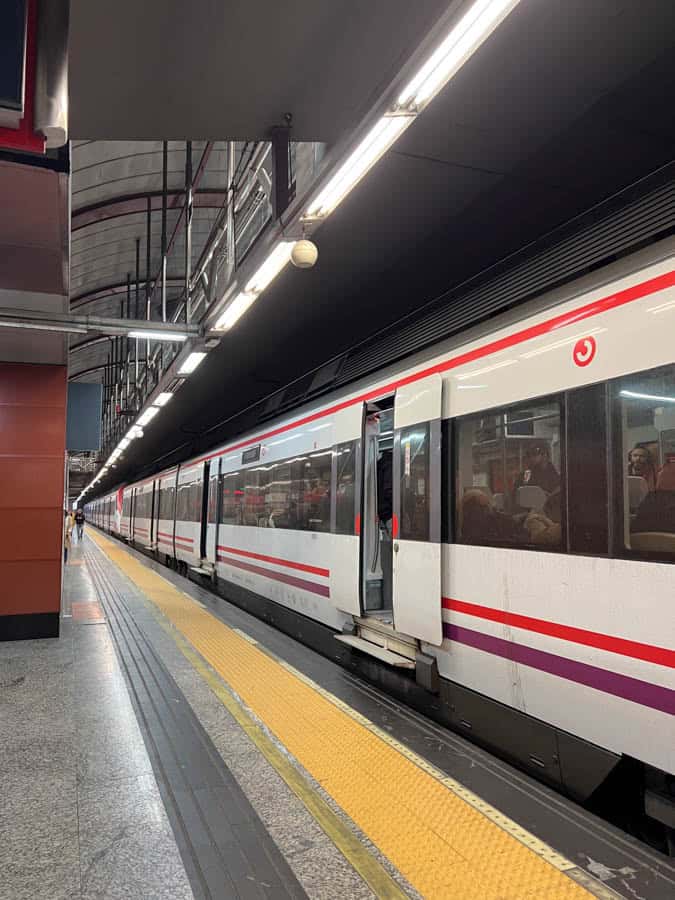
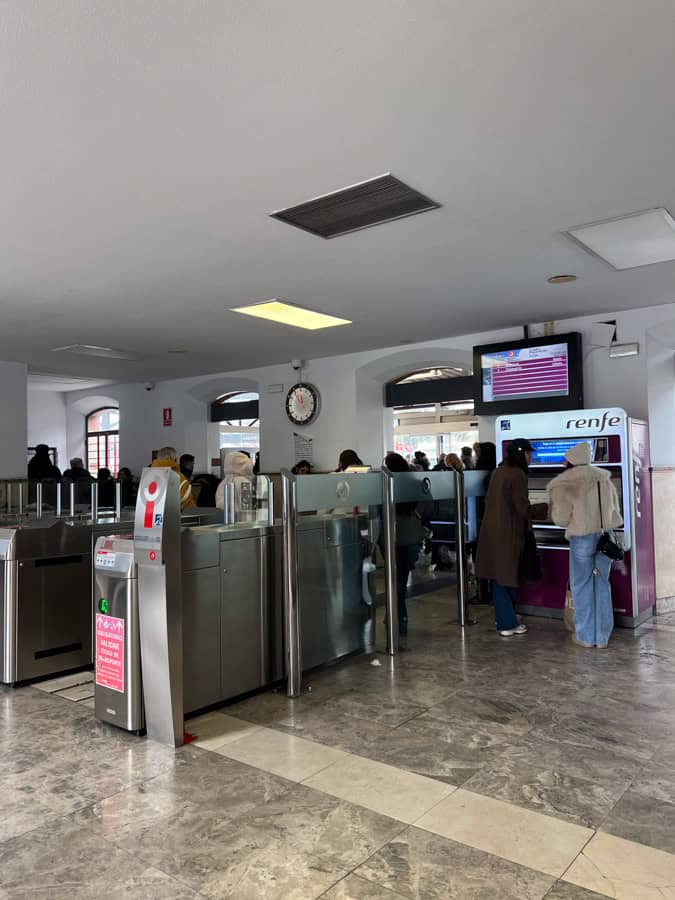
The biggest downside of Pinto, in my opinion, is the train situation. The Cercanías train station is a bit of a walk from some of the newer residential areas where a lot of new apartment buildings are going up. If you live closer to the older, central part of town, this isn’t really an issue.
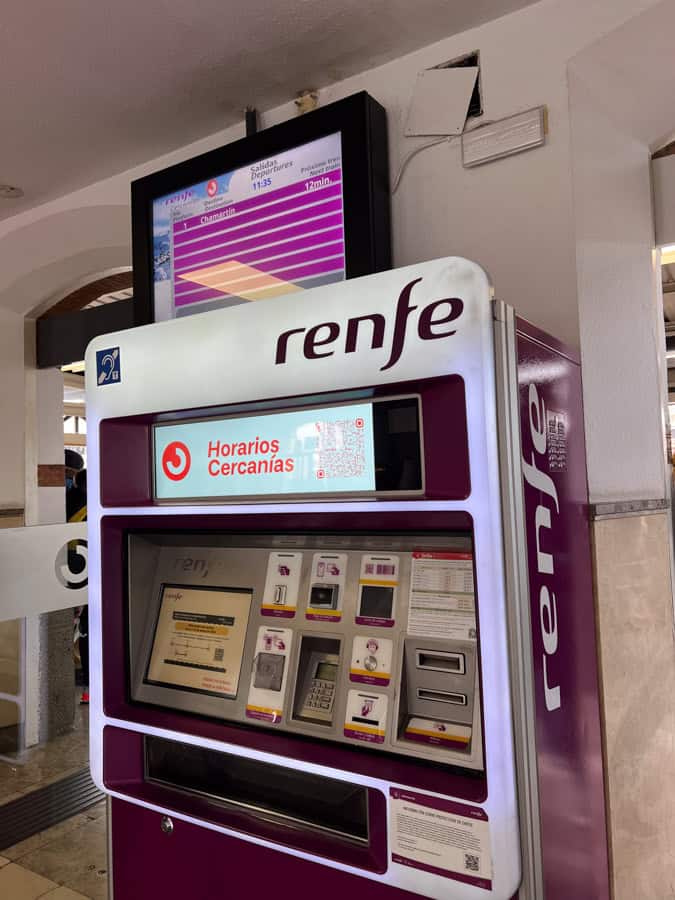
The good news is that a new train station is being built and is expected to be completed by the end of 2026, which should make commuting much easier for people living in those newer areas, like me!
The train ride from Pinto into Madrid usually takes about 20 minutes, which is reasonable. That said, trains don’t come as frequently as the metro, they usually run every 20 to 30 minutes, so you do need to plan a bit more. This is not the metro system; it’s a regional train, the Renfe, so its often different in terms of frequency.
If you don’t want to rely on the train, Uber is also an option. Without traffic, an Uber from Pinto into central Madrid takes around 20 minutes, which I don’t think is bad at all.
Overall, I really can recommend Pinto if you’re looking for something safe, affordable, and calm, especially if you don’t need to be in the city centre every single day.
It’s a good option for foreigners who want more space, a quieter lifestyle, and lower rent, while still being close enough to Madrid to enjoy everything the city has to offer with a quick train ride.
Las Rozas – Popular with Both Families and Professionals
Las Rozas is an area that comes up a lot when people ask about the best suburbs and neighborhoods of Madrid to live in, especially if they’re moving with a family or looking for a bit more space.
One of the biggest pros of Las Rozas is how well set up it is for daily life. There are big shopping areas, international schools nearby, quite a few parks, and wide streets that feel different from the central Madrid.
Because it’s in the north of Madrid, it does tend to be more expensive than areas in the south. This is pretty common across Greater Madrid: the north generally costs more. Rent prices are higher than places like Pinto or Valdemoro, but many people feel the trade-off is worth it for the space, safety, and overall quality of life.
Las Rozas is also well connected by Cercanías trains and major roads, so getting into Madrid is pretty simple, especially if you’re commuting for work. It’s not the place I’d recommend if you want nightlife or a “city buzz,” but if you’re looking for a calm, family-friendly suburb with good infrastructure, Las Rozas is a very solid option.
Alcobendas – Quiet, Well-Connected, & Practical
Alcobendas is another good option if you’re looking at the best suburbs and neighborhoods of Madrid to live in but don’t need to be right in the heart of the city centre.
It’s located north of Madrid and feels very different from central neighborhoods like Chamberí or La Latina. This is more of a practical, residential area than a lifestyle or nightlife-focused one.
What Alcobendas does really well is space and organization. The streets are wide, there are a lot of open areas, parks, and modern apartment buildings, and everything feels a bit more spread out. It’s not flashy or trendy, but it’s comfortable and functional, which is exactly why a lot of families, professionals, and long-term residents choose it.
Transport-wise, Alcobendas is quite well connected by Cercanías trains and metro lines, making it easy to get into Madrid if you work there or want to spend time in the city.
That said, this isn’t an area I’d recommend if your main goal is central Madrid life, walking everywhere, or being surrounded by cafés and bars. It’s more suited for people who want something quieter, more structured, and less hectic than the city centre.
Pozuelo de Alarcón – Upscale, Quiet, and Very Residential
Pozuelo de Alarcón is one of the most upscale and expensive areas in the Greater Madrid area, and that’s something you’ll notice almost immediately upon visiting. This is not a flashy neighborhood, but it is very polished.
You can easily find apartments here selling for over a million euros, and it’s known for attracting wealthy Spanish families, executives, and some expats who are looking for space, privacy, and a very calm lifestyle.
Pozuelo is extremely residential. It’s mostly apartment buildings and some standalone houses, and a lot of the newer apartment complexes come with amenities that you don’t really see as much in central Madrid. Think things like private gardens, swimming pools, basketball courts, tennis courts, and paddle courts, all of which are pretty common here.
Boadilla del Monte – Quiet, Upscale, and Very Family-Oriented
Boadilla del Monte is another good area that you will find when searching for the best suburbs and neighborhoods of Madrid to live in, especially if they’re looking for something calmer, greener, and more residential. It’s located to the west of Madrid and has a very suburban feel compared to living inside the city.
This is a noticeably quieter and more upscale area, and you’ll find a lot of families living here, both Spanish and foreign. Instead of dense apartment blocks everywhere, there are more standalone homes, townhouses, and low-rise apartment buildings. It feels very residential, clean, and organized.
One thing I personally really like about Boadilla is its main street area, which has a surprisingly nice selection of restaurants, cafés, and bars. It’s not nightlife-focused, but it’s lively enough in the evenings that you don’t feel isolated. You can go out for dinner, have a drink, or meet friends without needing to go into central Madrid every time.
Boadilla also has a lot of green space, parks, and walking paths, which makes it appealing if you want more space and a slower pace of life. Like many of the suburbs around Madrid, it’s well connected by public transport, though you’ll usually rely on a combination of tram, bus, or car rather than the metro. It’s not ideal if you want a classic “Madrid city life,” but if you’re prioritizing comfort, safety, and a calmer environment, it’s a good option.
Rivas – Affordable Suburban Living Near Madrid
If you’re looking at the best suburbs and neighborhoods of Madrid to live in, Rivas-Vaciamadrid is one that I’ve heard a lot of good things about from friends here and seeing it for myself.
It’s farther out than places like Pinto or Las Rozas, about 15–20 minutes southeast of central Madrid, but it has become a well known choice for people who want more space and a slightly more relaxed pace of life without giving up access to the city.
Rivas has grown a lot over the last few decades. It’s no longer a small town, it’s a city of nearly 100,000 people, with lots of young families and professionals choosing to live there because of its community feel and affordable options compared to central Madrid. The median age here is pretty young compared to other parts of the region, which gives it a lively vibe without being too hectic.
In terms of housing and lifestyle, Rivas has a variety. You can find newer apartments in Rivas Futura or Rivas Urbanizaciones that have terraces, open spaces, and sometimes even parks and recreational areas close by.
Prices here are generally more affordable than in central Madrid or some of the northern suburbs, which is part of what makes Rivas attractive for people moving from abroad or looking for a first home near the capital. Still, it isn’t the cheapest suburb — prices have been rising over the past few years — but it remains competitive for what you get.
Parla – Affordable but be Mindful of Safety
One of the suburbs that you may find when searching for the best suburbs and neighborhoods of Madrid to live in is Parla. It’s located in the south of the Madrid region and has a population of around 130,000 people, which makes it one of the larger satellite cities outside Madrid proper.
One of the biggest draws of Parla is how affordable it is compared with areas closer to central Madrid or the more upscale northern suburbs. Housing prices here, both for renting and buying, tend to be lower than the city average, which is why a lot of people on a tighter budget look at Parla first when they’re trying to make their money stretch.
But it’s important to be honest about what life here is like. Parla has had higher crime and insecurity reports compared to many other Madrid suburbs, with local residents and news outlets pointing to rises in robberies and other offenses in recent years. While official statistics show some fluctuations and even improvements in certain areas of crime over time, the overall perception among locals is that safety can be an issue, particularly at night or in less populated areas.
Because of this, I would honestly recommend visiting Parla first before committing to a rental or lease if you’re planning a move. It’s not necessarily a bad place, and it does offer affordability that’s hard to find closer to downtown, but it’s a suburb where you’ll want to be aware of your surroundings before you decide to make it your new home.
So What are the Best Suburbs and Neighborhoods of Madrid?
If you’re coming to Madrid or Spain for the first time and you really want that full Madrid experience, I personally recommend starting in one of the more central neighborhoods.
Areas like Chamberí, Malasaña, or Salamanca let you experience daily life in the city, walking everywhere, eating late, grabbing coffee or drinks nearby, and really feeling the energy of Madrid. These neighborhoods make it much easier to settle in, meet people, and understand how the city works.
If, however, you’re looking for something quieter, you’re moving with family, or you simply don’t want to be right in the middle of the city, the greater Madrid area has a lot of great options.
Areas like Pinto, Boadilla del Monte, or Pozuelo offer more space, a calmer lifestyle, and are generally very safe, while still being connected to Madrid by train, car, or public transport. It really comes down to the kind of lifestyle you want, fast-paced and central, or quieter and more residential.
One thing I strongly recommend, no matter where you plan to live, is being on the ground before you sign a lease. From my own apartment-hunting experience in Madrid, I learned that it’s not enough to just see the apartment itself, you need to see the neighborhood, walk around at different times of day, and get a feel for what’s nearby.
Spain is a country where life happens late, people are out at night, and the street vibe really matters – I find it’s a lot different from what you may know back in North America! Taking the time to see that in person can make a huge difference in how comfortable and happy you’ll be once you settle in.
FAQ
If it’s your first time living in Madrid and you want the full city experience, I usually recommend starting in a more central neighborhood like Chamberí, Salamanca, or Malasaña. These areas are walkable, well-connected, and make it easier to build a social life and get used to how Madrid works day to day.
Yes, absolutely, especially if you’re looking for something quieter or more affordable. Suburbs like Pinto, Boadilla del Monte, Las Rozas, or Pozuelo are popular with families and long-term residents because they’re safe, spacious, and still well-connected to Madrid. You just have to be realistic that suburban life here is very different from living in the city center.
It really depends on the lifestyle you want. Living in the city gives you energy, walkability, nightlife, and convenience, while the Greater Madrid area offers more space, calm, and often better value for money. I’ve done both, and there are pros and cons to each, there’s no one-size-fits-all answer.
It’s important, especially if you’re not planning to drive while in Spain. In central Madrid, the metro is usually enough, but in the suburbs you’ll often rely on commuter trains, buses, or Uber. I always tell people to check how far the nearest station is from the apartment, not just how long the ride is on paper.
Some areas, like Lavapiés or Parla, can be more affordable, but they also come with safety considerations. I don’t think they’re necessarily bad areas, but I wouldn’t recommend choosing them blindly, especially if you’re new to Spain or don’t speak much Spanish yet. Seeing the area in person makes a big difference.
Personally, I don’t recommend it. One of the biggest lessons I learned while apartment hunting here is that it’s not just about the apartment itself, it’s about the street, the neighborhood, and what’s happening around it, especially at night. Madrid is a city that comes alive in the evenings, and you really want to see how an area feels before committing.
If you can, give yourself at least a few weeks to a month. Walk around different neighborhoods at different times of day, take the metro and trains, and get a feel for where you naturally gravitate.